
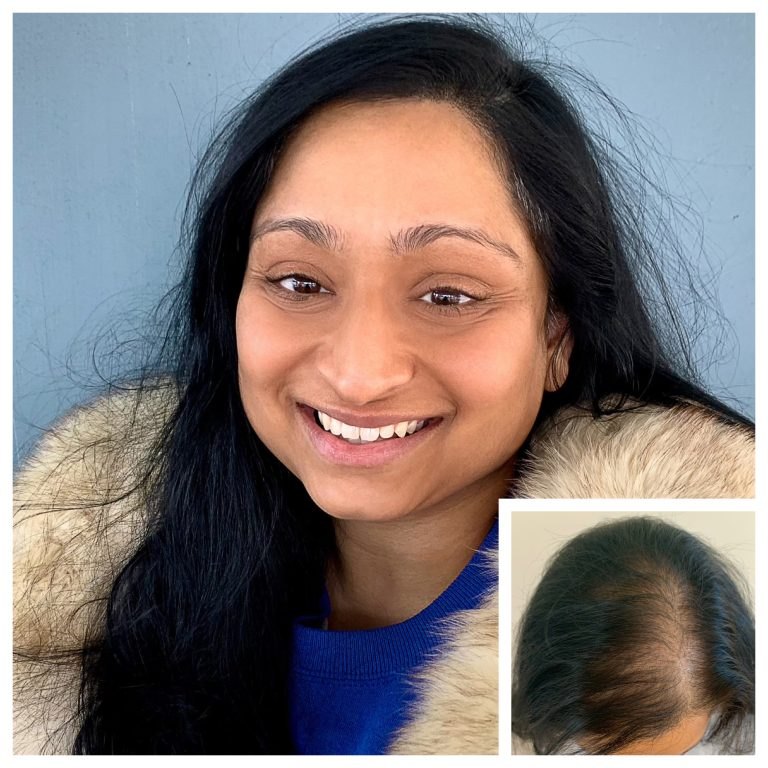
Yes, SMP can still look appropriate if you grow your hair later, but the result depends on the type of treatment, your existing hair and how much length you add. Density SMP is designed to blend with growing hair, while a shaved-style treatment needs more careful planning if you later choose a longer hairstyle.
What happens when hair grows over SMP?
SMP pigment stays in the skin while your natural hair continues to grow. It does not grow, move or change length with the hair around it. That means the way it looks later depends on how well the pigment placement, color and density continue to relate to your natural follicles.
For someone with existing thinning hair, male density SMP is specifically designed to work between and beneath the hairs you already have. The aim is to reduce the contrast between scalp and hair, rather than create the appearance of a shaved head. If you grow that hair longer, the pigment remains underneath it and may be less visible, while still helping reduce the impression of scalp showing through.
That does not mean every hairstyle will look identical after treatment. Longer hair can fall in a different direction, expose a different parting or reveal areas that were previously covered. I discuss those possibilities before treatment, particularly if you are unsure whether you will keep your hair short.
Is SMP with longer hair different from shaved-style SMP?
Yes. The design needs to match the way you plan to wear your hair. A shaved SMP treatment creates the visual impression of closely cropped follicles across the scalp. If you later grow your hair significantly, your real hair may cover much of the work, but the pigment will not behave like longer strands. It remains a follicle simulation beneath the hair.
Density SMP takes a different approach. I work with your existing hair and place pigment into areas where the scalp is visible between follicles. This is suitable for people who want to keep their hair and may continue wearing it at its current length or somewhat longer. It is not a substitute for new hair growth, and it cannot make every pattern of thinning look equally dense.
During consultation, I look at your current length, direction of growth, parting, crown pattern and likely styling habits. If your long-term plan is to grow your hair out, I want to know that before I design the hairline or density pattern.
Can growing hair make the result look unnatural?
It can create a mismatch if the treatment was designed for one appearance and your hair later changes substantially. The most important questions are whether the pigment color still relates to your hair, whether the density remains believable and whether the hairline suits your face and hairstyle.
The ink color is chosen to match your current hair follicle color. If your hair becomes much lighter or develops more gray over time, the original contrast may change. That is one reason I avoid treating SMP as a fixed template. Color, placement and density need to be considered in the context of the hair you actually have.
Hairline work deserves particular attention. A natural hairline is not a straight, ruler-like border. It should have soft variation and suit your facial proportions and age. If you later wear your hair longer and style it forward, the hairline may be partly covered. If you brush it back, the design becomes more visible, so it needs to remain credible from that angle.
What should I plan before having SMP?
I recommend bringing your realistic hairstyle plans into the consultation. You do not have to predict every haircut, but tell me if you are considering growing your hair, changing your part, keeping a fringe or allowing gray to come through.
I will assess the areas you want to improve and explain which approach fits them. Precision Scalp offers male density SMP as well as shaved SMP, and the correct design depends on whether the goal is to blend visible scalp with existing hair or create a closely cropped appearance. You can also read more about scalp micropigmentation for men before your appointment.
For female thinning, alopecia, scars and other concerns, the same principle applies: I need to understand how you wear your hair. A part line, crown, scar or area of reduced density may be exposed differently when hair is longer, tied back or moved by wind. Planning for those changes helps me keep the treatment subtle.
I also use an anaesthetic during treatment. Female SMP and male density require a minimum of three sessions, sometimes four. That staged process gives us time to see how the pigment settles and to refine the density rather than trying to complete everything in one pass. A full treatment commonly involves sessions of about two hours, with the exact plan assessed individually.
Can SMP be adjusted if my hair changes later?
SMP is intended to be a permanent treatment, although it can be removed later with laser treatment. Because of that, I take future hairstyle changes seriously before placing pigment. Adding more pigment simply because hair has grown longer is not always the right answer. Sometimes the existing work is still appropriate, and sometimes a careful adjustment may be considered after I assess the healed result.
Hair and skin also change with time. Natural hair may thin further, change color or be styled differently. Skin ageing can affect how pigment is seen. These are normal reasons to review an SMP result, not signs that the original plan should have tried to predict every future change.
When comparing practitioners, I suggest looking closely at their healed hairline work and density results, not just immediate photographs. My background in photography and makeup has made me especially attentive to proportion, tone and how a result reads under different lighting. You can view the SMP transformation gallery and discuss what you notice during consultation.
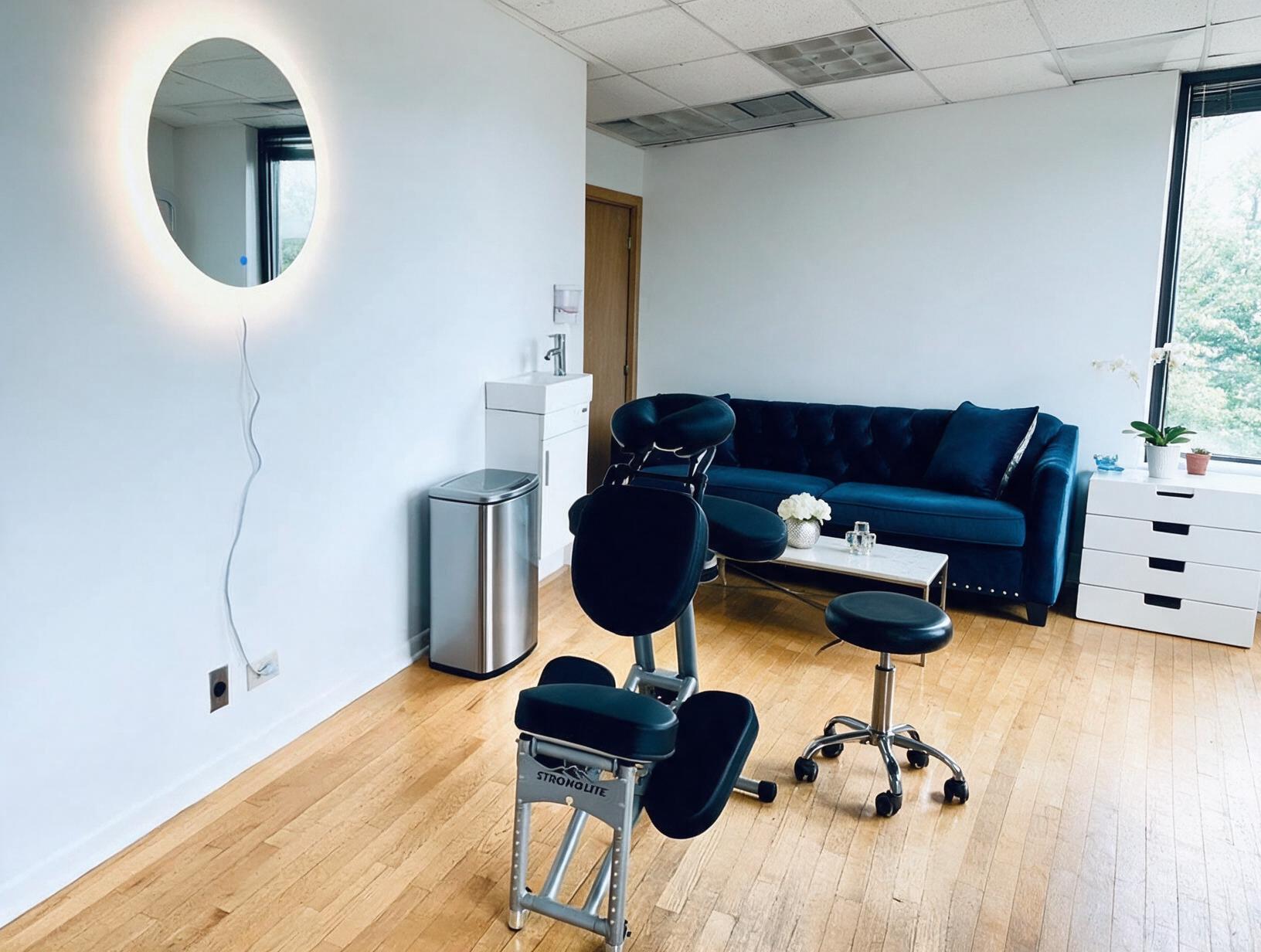
Precision Scalp is in Oak Brook, Illinois, serving clients from the Chicago area. If you are considering SMP and want to understand how a longer hairstyle would affect your plan, the contact page has studio details.
You are welcome to book a consultation whenever you feel ready to talk through your hair and future plans.
Frequently asked questions
Can I have density SMP without shaving my hair?
Yes. Male density SMP is designed for clients who want to retain existing hair, so shaving is not required for that approach. Pigment is placed between and beneath the follicles to reduce visible scalp. I still assess your hair length, growth direction and styling pattern before deciding whether density treatment is suitable.
What if I grow my hair out before all sessions are finished?
Tell me before the next session. Hair length can affect what I can see and how I judge the blend, particularly around the crown, parting and hairline. We can assess the healed work and your current style before deciding how to continue, rather than automatically following the original plan.
Will SMP stop my natural hair from growing?
No. SMP does not make hair grow and it does not stop existing hair from growing. It places pigment in the epidermal and upper dermal layers of the skin to simulate follicles. Your natural hair continues to follow its own growth cycle, while the pigment remains in place.
Can SMP work if my hair is already gray?
It may, but color matching needs care. Pigment is selected in relation to your current hair follicle color and skin undertone. If your remaining hair changes shade later, the visual blend may also change. I assess your coloring and future expectations before choosing a tone.
Does a longer hairstyle hide SMP completely?
Not necessarily. Longer hair may cover some treated areas, but movement, parting and styling can reveal the scalp. SMP remains beneath the hair rather than behaving like hair strands. The amount visible depends on your density, hairstyle, scalp exposure and the treatment design, so I assess those factors individually.