
By Peggy Pliscott, SMP Artist at Precision Scalp
Your thyroid is affecting your hair, and you want to know what you can actually do about it. Scalp micropigmentation works as a density solution for women with thyroid-related hair loss, but timing and planning matter. This article explains when SMP makes sense, how to coordinate it with your medical treatment, and whether it belongs in your plan.
Why thyroid hair loss hits women differently
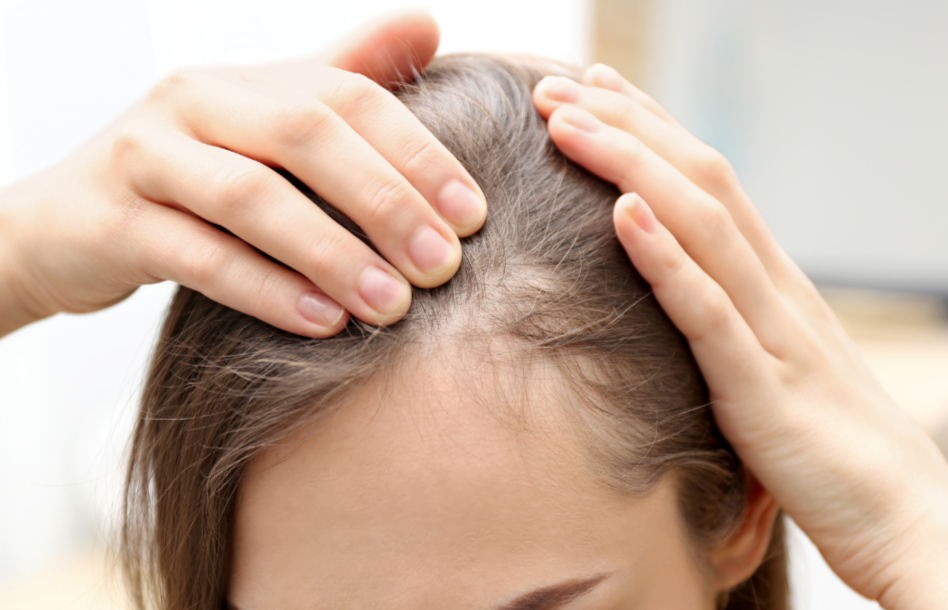
Both hypothyroidism and hyperthyroidism can disrupt the hair growth cycle, pushing follicles into a prolonged resting phase known as telogen effluvium. The result is diffuse thinning across the entire scalp rather than a defined bald patch, which can make the loss feel simultaneously invisible to others and relentless to live with.
For women, this compounds something already emotionally loaded. Hair carries significant cultural weight, and thinning that appears gradual to outsiders can quietly erode confidence over months or years. The parting widens. The scalp catches light under fluorescent bulbs. Ponytails grow thinner. These are real, specific changes that deserve a real, specific answer.
Hypothyroid hair thinning in particular tends to be fine and diffuse, meaning the scalp shows through in ways that are difficult to disguise with styling. Dry, brittle texture often accompanies the loss, making the remaining hair appear even sparser than it is.
What SMP actually does for thinning hair in women
Female density SMP works with your existing hair, not instead of it. Tiny deposits of pigment are placed between your natural strands, creating the impression of fuller, denser hair at scalp level. Nothing is shaved. Your hair stays exactly as it is.
The effect is a reduction in scalp visibility. Under direct light, through a parting, or at the crown, the contrast between skin and hair diminishes. The result reads as naturally thicker hair rather than a cosmetic procedure. When it’s done well, nobody identifies what changed; they simply notice that you look well.
This is a multi-session process. Female density SMP requires a minimum of three sessions, sometimes four depending on the degree of thinning and how the scalp responds. Sessions are spaced to allow the pigment to settle and to assess where additional density is needed. Compressing treatment into fewer appointments produces uneven, less natural results.
It’s also worth understanding what SMP doesn’t do. It doesn’t stimulate regrowth, alter hormone levels, or substitute for medical care. It addresses the visible consequence of thyroid-related hair loss while your endocrinologist or GP addresses the underlying cause. The two approaches coexist rather than compete.
Timing your SMP treatment around thyroid care
One of the most common questions I hear from women with thyroid conditions is whether they should wait until their levels are stabilised before starting SMP. The honest answer is: it depends on where you are in treatment.
If your thyroid levels are still fluctuating significantly and active shedding is ongoing, waiting for relative stability makes sense. Committing to a density treatment while the hair count is still actively changing means the result will shift underneath you. It’s not dangerous to proceed, but the outcome will be harder to calibrate.
If your levels are managed, even if not perfectly optimised, and the thinning has reached a relatively stable baseline, SMP is a reasonable step. You don’t need to wait for perfect thyroid function, which for many women with hypothyroid hair thinning may never fully arrive. Managed and stable is a workable foundation.
I’d encourage you to speak directly with your endocrinologist or prescribing GP before booking. Not because SMP poses a medical risk, but because knowing your trajectory helps in planning your sessions appropriately. If regrowth is expected over the next six months due to a medication adjustment, that changes where and how densely the work is focused.
It’s also worth asking your doctor about any medications that carry hair thinning as a side effect. Some treatments used alongside levothyroxine, or as alternatives in certain thyroid conditions, can independently affect the hair cycle. A complete picture of what’s driving the loss leads to better decisions about the thyroid-related hair loss solution that fits your life.
What to expect from the process
At the consultation, I assess the degree of thinning, your natural hair colour and texture, and the areas of greatest scalp visibility. For most women, the crown, the parting line, and the temples are the primary concerns. Pigment is matched carefully to your existing hair, accounting for how hair colour and scalp tone interact under different lighting conditions.
The first session establishes the base layer of density. Subsequent sessions refine, deepen, and address any areas that need further attention. By the final session, typically the third, the result should feel fully integrated with your natural hair. A fourth session is available where the thinning is more advanced or where additional precision is warranted.
There’s no downtime. You can return to work the same day. The scalp may appear slightly red for 24 to 48 hours, and I advise avoiding heavy sweating and direct sun on the scalp for a few days after each session. The pigment settles and softens over two to three weeks, which is why correct session spacing matters.
Longer term, the pigment fades gradually, and a maintenance session every few years keeps the result looking fresh. It’s a manageable commitment for an outcome that consistently improves how women feel about their appearance day to day.
Frequently Asked Questions
Is SMP safe for women who are currently taking thyroid medication?
Yes. Thyroid medications such as levothyroxine do not interfere with scalp micropigmentation, and SMP poses no known risk to thyroid function or hormone levels. That said, it’s always sensible to inform your SMP artist about all current medications so the treatment plan can be tailored appropriately to your situation.
How many SMP sessions will I need for thyroid-related hair thinning?
Female density SMP requires a minimum of three sessions, and sometimes four if the thinning is more advanced or the scalp needs additional refinement. Sessions are spaced to allow the pigment to settle and to assess the result accurately at each stage. Trying to achieve the final outcome in fewer appointments compromises the natural appearance.
Should I wait until my thyroid levels are normal before getting SMP?
You don’t need perfect thyroid function, but relative stability helps. If active shedding is ongoing and your levels are still fluctuating significantly, waiting for a more stable baseline produces a more predictable result. If your hypothyroid hair thinning has plateaued and levels are managed, SMP is a reasonable step rather than one to postpone indefinitely.
Will SMP still look natural if my hair regrows after thyroid treatment?
Yes. Because female density SMP works with your existing hair rather than replacing it, any regrowth simply adds to the overall appearance of density. The pigment blends into a fuller head of hair naturally. If significant regrowth occurs, a review session allows for minor adjustments to ensure the result remains seamlessly integrated with your new hair thickness.
Does the type of thyroid condition matter for SMP planning?
It can influence timing. Hypothyroid hair thinning tends to be gradual and diffuse, often reaching a stable plateau that suits treatment planning. Hyperthyroid-related loss can fluctuate more with treatment changes. Sharing your diagnosis and current treatment stage at your consultation allows for a session plan that accounts for your specific hair loss trajectory.