
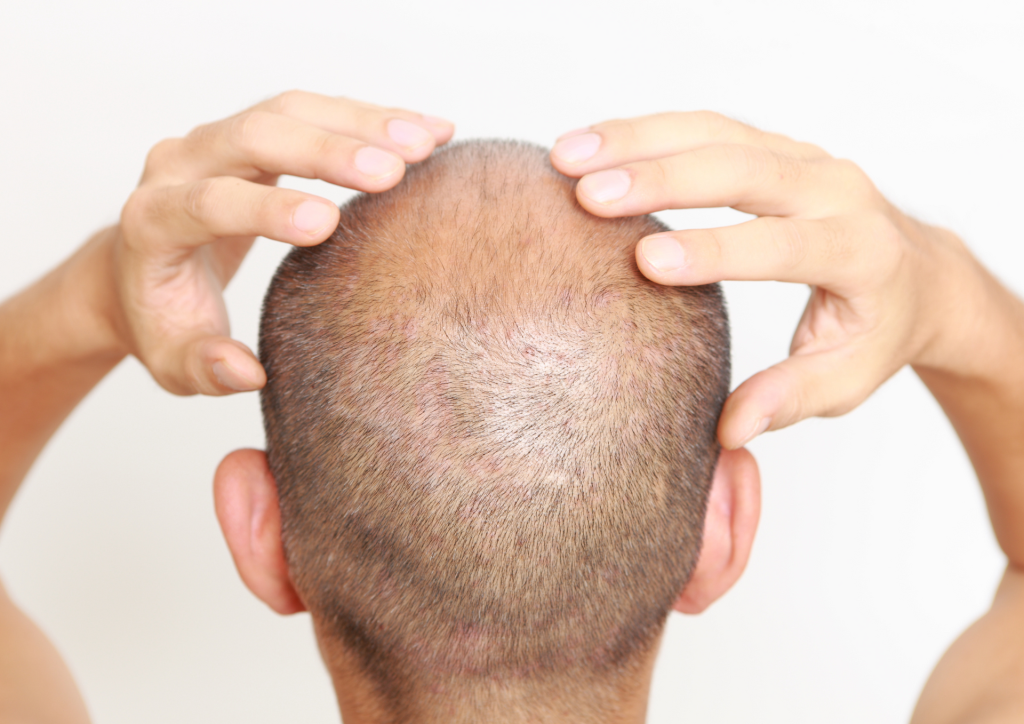
By Peggy Pliscott, SMP Artist at Precision Scalp
You’ve added density to your thinning hair with SMP and the result looks sharp. Now the question is: how do you keep it that way? Knowing what drives fading, and when to act on it, is what separates a treatment that ages beautifully from one that quietly loses its impact. Here’s what actually matters.
1. Fading is normal, but the rate is personal
Every SMP density treatment fades over time. That isn’t a flaw; it’s the nature of pigment deposited into the upper dermis. What varies widely is how fast it happens. Fair skin, oily skin, and skin with a rapid cell turnover cycle all tend to fade quicker than dry or medium-toned skin.
Most men find their density SMP holds strong for 2 to 4 years before a meaningful touch-up is needed. Some go longer. A few notice softening closer to the 18-month mark. Learning your own skin’s behaviour after your initial sessions, which require a minimum of 3 and sometimes 4 to build proper density, gives you the clearest read on your personal timeline.
2. Sun exposure is the fastest way to shorten your touch-up schedule
UV light breaks down pigment. It’s the same reason a tattoo on your forearm fades faster than one on your chest. For scalp micropigmentation, this is especially relevant because the top of your head is almost always facing the sky.
Unprotected sun exposure is the single most controllable factor in micropigmentation upkeep. Wearing a hat outdoors or applying SPF 30 to 50 on your scalp whenever you’re outside for more than 20 minutes makes a measurable difference. Men who take this seriously consistently extend the life of their results by a year or more.
3. Knowing the signs that a touch-up is due
Fading rarely happens overnight. It’s gradual, which means it can sneak up on you. The clearest signal is a loss of contrast: the density pattern starts to look softer or less defined compared to photographs taken shortly after your treatment.
Other signs include a slight greying or bluish shift in the pigment tone, patchy areas where some dots have faded faster than others, or a general sense that your hair looks thinner again even though nothing has changed with your natural hair. If you’re noticing any two of these at once, it’s worth booking a consultation to assess whether a refresh is the right next step.
4. Your skincare routine directly affects micropigmentation upkeep
Harsh exfoliating shampoos and products containing sulphates or high concentrations of glycolic acid accelerate surface cell turnover on the scalp, which pushes pigment out faster. Switching to a gentle, sulphate-free formula is one of the simplest upgrades you can make for long-term results.
Moisturising the scalp also matters more than most people expect. Dry, flaky skin sheds more aggressively and takes pigment with it. A lightweight, non-comedogenic scalp moisturiser used a few times a week keeps the skin in better condition and helps the treatment age more evenly. This is especially important during winter months or in climates with low humidity.
5. Touch-up sessions are far quicker than the original treatment
One thing that surprises men when they come back for SMP density maintenance is how straightforward a refresh session is. Unlike the initial course of treatment, which spans a minimum of 3 sessions to build proper layered density and may require a 4th for optimal coverage, a touch-up typically takes a single session to restore contrast and evenness.
The pigment being refreshed is working with an existing foundation, so the artist isn’t starting from scratch. Recovery is minimal and results are immediate. Spacing these refreshes appropriately, rather than waiting until the treatment has significantly faded, also means each session stays quick and the cumulative look remains consistent over the years.
Density SMP ages best when you treat it as a long-term relationship rather than a one-time fix. The men who get the most from their results protect their scalp from the sun, keep their skincare routine gentle, and pay attention to the early signs that a refresh is approaching. Stay ahead of the fade and the results stay ahead of the years.
Frequently Asked Questions
How often does SMP density need a touch-up?
Most men need a density SMP touch-up every 2 to 4 years, though this varies based on skin type, sun exposure, and aftercare habits. Men with oily or fair skin, or who spend significant time outdoors without sun protection, may find their touch-up schedule sits closer to the 2-year mark.
How many sessions does a male density SMP treatment require?
A male density SMP treatment requires a minimum of 3 sessions to build proper layered coverage. Some clients benefit from a 4th session to achieve optimal density and ensure evenness across all areas of thinning. Subsequent maintenance touch-ups are typically completed in a single session once the foundation is established.
What are the signs that my SMP density is fading?
The clearest signs of fading SMP density include a loss of contrast between the pigment and scalp, a slight greying or bluish shift in tone, and patchy areas where some dots have faded unevenly. If your hair looks visibly thinner again despite no real change in hair loss, it’s worth having your treatment assessed.
Does sun exposure really affect scalp micropigmentation upkeep?
Yes, significantly. UV light breaks down pigment faster than almost any other factor, and the scalp is directly exposed to sunlight in most outdoor settings. Wearing a hat or applying SPF 30 to 50 on the scalp whenever you’re outside for extended periods is one of the most effective ways to extend your results and reduce micropigmentation upkeep costs over time.
Can my shampoo affect how long my SMP density lasts?
Yes. Shampoos containing sulphates, strong exfoliants, or high concentrations of acids accelerate scalp cell turnover and push pigment out of the skin faster. Switching to a gentle, sulphate-free shampoo and occasionally moisturising the scalp can meaningfully slow fading and help your density SMP treatment maintain an even, natural appearance for longer.